
Why Charging Infrastructure Reliability Will Define the EV Experience
For years, conversations around electric vehicles (EVs) have centered on range anxiety—the fear that a vehicle won’t have enough battery to reach its destination. While this concern was valid in the early days of EV adoption, advances in battery technology and vehicle efficiency have significantly extended driving ranges. Today, many EVs can comfortably meet the needs of daily driving and long-distance travel.
Reliability Is the New Range Anxiety
A charging station that is unavailable, malfunctioning, or operating far below its advertised power level can quickly erode confidence in electric transportation. Unlike gasoline refueling, which typically takes minutes and relies on mature, standardized infrastructure, EV charging requires more time and depends on a complex ecosystem of technologies.
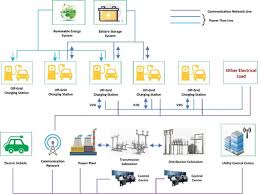
EV chargers are not just plugs in the ground. They rely on power electronics, grid connections, communication protocols, software platforms, payment systems, and backend network management. Each of these layers introduces potential points of failure. When something goes wrong—whether it’s a connectivity issue, a hardware fault, or a software bug—the driver feels the impact immediately.
For many consumers, one bad charging experience can outweigh dozens of positive ones, shaping their overall perception of EV ownership.
Expansion Without Reliability Falls Short
The United States is rapidly investing in EV charging infrastructure, with thousands of new stations planned along highways, in cities, and in rural communities. While expanding coverage is essential, coverage alone does not guarantee usability. A large charging network is only valuable if drivers can trust that stations will work when they arrive.
Unreliable chargers can create bottlenecks, increase wait times, and discourage EV adoption—especially among first-time users or those without access to home charging. For commercial fleets, delivery services, and ride-sharing operators, downtime translates directly into lost revenue and operational inefficiency.
The Role of Monitoring and Analytics
To address these challenges, charging network operators are increasingly turning to advanced monitoring and data analytics. Continuous performance tracking allows operators to detect issues before they become visible to drivers. Early warning signs—such as declining power output, intermittent communication failures, or abnormal electrical behavior—can trigger proactive maintenance.
This shift from reactive to predictive maintenance reduces downtime, lowers repair costs, and improves overall network reliability. It also helps standardize performance across charging locations, creating a more consistent experience for users.
Supporting the Electrical Grid
Reliable charging infrastructure isn’t just about serving drivers—it also plays a critical role in maintaining grid stability. As EV adoption grows, unmanaged charging demand can strain local distribution systems, especially during peak usage hours.
Intelligent charging systems can dynamically manage load, respond to grid conditions, and coordinate charging schedules to prevent overloads. By integrating reliability monitoring with grid-aware controls, charging infrastructure can become a stabilizing asset rather than a liability.
Reliability Builds Trust and Accelerates Adoption
At its core, EV charging infrastructure is part of a national transportation system—not just a collection of hardware installations. Its reliability affects public trust, economic productivity, and environmental goals. Drivers need confidence that charging will be available, predictable, and safe. Businesses need assurance that infrastructure investments will deliver long-term value. Utilities and municipalities need systems that integrate smoothly with existing energy networks.
Ready to Transform America’s Energy Infrastructure?
Let SmartGridX help you build resilient, intelligent, and future-ready power systems using AI-driven engineering and clean-energy innovation.